Mouth Tape With a Beard: How to Make It Stick Comfortably (No Fuss Guide) URL slug:
Mouth taping with a beard can work, but the setup matters. Facial hair creates tiny gaps that can break the seal, lift corners, or make tape feel “slippery” by midnight. The good news is most beard issues have simple fixes. You do not need harsher adhesive, you need better prep, better placement, and a tape designed to hold comfortably in real life.
This guide shows you exactly how to get mouth tape to stick with a beard or stubble, without making your routine complicated. You will also learn what to look for when buying tape, what to avoid, and how to troubleshoot the most common problems. The goal is comfort first, consistent use, and a routine you actually want to repeat.

Key Takeaways
- Beards break seals, not because mouth taping fails, but because hair interrupts edge adhesion.
- Prep is the biggest difference, clean, dry “seal zone” plus the right placement solves most issues.
- Do not chase “strongest adhesive”, comfort and clean removal matter more for nightly use.
- Small adjustments beat bigger tape, the best fit is smooth, centered, and tension free.
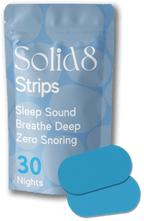
- If you want a beard friendly routine, Solid8 Mouth Tape is built for overnight comfort and consistent use.
Why mouth tape lifts more with facial hair
Tape sticks best to clean, dry skin. Facial hair changes the surface. Even light stubble can create micro gaps at the edge, and beards can create a “bridge” where the tape touches hair instead of skin. Once one corner lifts, the rest of the tape can follow, especially if you move at night, sleep on your side, or talk after applying.
Three real-world reasons beards cause tape failure
- Edge adhesion sits on hair, hair is flexible and does not anchor the tape.
- Moisture and oils, beard oils, moisturizers, and natural skin oils reduce adhesion.
- Movement and friction, pillow pressure and jaw shifts pull the tape edge.
If you are new to mouth taping overall, these two posts make everything easier: How to mouth tape step by step and Mouth taping safety.
Definition, beard friendly mouth tape vs regular medical tape
People often start with whatever tape they have at home. The problem is that medical tapes vary widely. Some are breathable and gentle, some are harsh, and many are not designed for overnight use on the lips. Beard friendly mouth tape is less about “grip strength” and more about the balance, it needs to stay on reliably, but still remove cleanly and comfortably in the morning.
If you want a buying checklist that covers materials, comfort, and what actually matters, use: How to choose the right mouth tape.
Beard mouth taping troubleshooting table
This table is designed to save you time. Find your problem, then apply the simplest fix first. Most people fix beard taping in one or two nights once they know what to change.
| Problem | What is usually causing it | Fix that usually works |
|---|---|---|
| Tape lifts on one corner | Edge is sitting on hair or the area was slightly oily | Clean and dry the seal zone, then place the edge slightly higher on skin and press for 10 seconds |
| Tape falls off after a few hours | Moisture, beard oil, skincare residue, or high movement | Skip beard oil near the lips at night, apply on dry skin, avoid talking after application |
| Tape wrinkles and feels annoying | Applied with tension or lips were not aligned | Relax lips, apply without stretching skin, smooth from center outward |
| Tape feels too aggressive to remove | Adhesive is too harsh for nightly use | Switch to comfort-first mouth tape designed for overnight wear, remove slowly after water splash |
| Residue in the morning | Adhesive not designed for clean removal | Prioritize clean removal when choosing tape, avoid “industrial strength” positioning |
| Beard hairs get pulled | Tape edge overlaps beard line too far | Shift placement slightly upward on skin, keep edges off dense hair when possible |
The beard friendly setup, a simple routine that works
Step 1, create a clean “seal zone”
Think of the seal zone as the skin right around your lips where tape will bond. Beards make this step more important. If you use skincare, put it on earlier, not right before bed. If you use beard oil, keep it away from the lips at night. Then do a quick reset: wipe the seal zone gently and make sure it is fully dry.
Step 2, align your lips in a relaxed position
Your lips should rest together naturally. Do not clench your jaw. If you apply tape while you are tense, the first time your face relaxes in sleep, the tape can crease or lift. A relaxed seal is smoother and more stable.
Step 3, place the tape to maximize skin contact
This is the key for beards. Your goal is to put the tape where the edges can anchor to skin, not hair. If you have dense facial hair, you may need to place the tape slightly higher so the lower edge is not sitting on the beard line. Small changes are usually enough.
Step 4, press and set edges for 10 seconds
Pressing matters. After applying, press along the center and the edges for about 10 seconds. This helps the adhesive bond and reduces early edge lift.
Step 5, reduce moisture and friction triggers
Two common triggers for beard taping are moisture and pillow friction. Moisture can come from lip balm, humid rooms, or sweating. Friction comes from side sleeping and face pressure on the pillow. If you are a side sleeper, this guide helps: Mouth tape for side sleepers.
Step 6, consider nasal comfort support if needed
Many people find mouth taping easiest when nasal breathing feels comfortable. If you deal with nighttime congestion, some sleepers pair mouth tape with external nasal support like Solid8 Nose Strips. This is optional, but it can make the routine feel smoother for some people.
What to look for if you have a beard
Beard friendly mouth taping is mostly about two things, predictable adhesion and comfortable removal. If you plan to use mouth tape regularly, you want a tape that supports the habit rather than making it annoying.
1) Comfort-first adhesive
The “best” adhesive is not the strongest. It is the one that stays on without making removal feel harsh. Comfort is what makes a routine stick. If it feels aggressive, most people quit.
2) Flexible material that moves with you
Your face moves at night. A flexible tape tends to handle movement better than stiff tape. This is especially important if you sleep on your side or change positions.
3) Clean removal, low residue
Residue is the silent routine killer. If you wake up and need to scrub adhesive off your skin or beard line, the habit dies quickly. Prioritize clean removal.
4) Size and shape that can anchor to skin
Bigger is not always better. A tape that is too wide can overlap beard hair and pull. The best option is a tape that anchors on skin comfortably and stays sealed without needing excessive coverage.
Comparison table, what matters vs what does not
This table is the buyer logic. If you have facial hair, use it to avoid choosing tape based on hype.
| Feature | Why it matters for beards | What to prioritize |
|---|---|---|
| Edge adhesion on skin | Hair interrupts sealing, edges need skin contact | Placement and tape shape that anchors to skin |
| Comfort and clean removal | Nightly use needs a routine you can repeat | Low residue, comfortable morning removal |
| Flexible material | Handles jaw movement and pillow friction | Soft, flexible tape designed for overnight wear |
| Breathability and feel | Comfort increases consistency | Comfort-first design and fabric feel |
| “Strongest adhesive” marketing | Often increases residue and irritation | Ignore, choose comfort plus reliable hold |
| Oversized coverage | Can overlap beard line and pull hair | Right size for a stable seal on skin |
How mouth tape fits into common goals
If your main issue is dry mouth
Many people with facial hair start mouth taping because they wake up dry. Comfort outcomes vary, but a closed-mouth routine is often explored for that reason. This guide is a useful companion: 5 ways to prevent dry mouth while sleeping.
If snoring is part of the reason you care
Snoring has multiple causes. Some people notice it is worse when the mouth opens. If you want a clear nasal breathing explanation, this post helps: How to stop snoring, a guide to nasal breathing.
If you use CPAP and deal with mouth leaks
Some CPAP users explore mouth tape as a comfort tool to encourage closed-mouth sleep. If this is your situation, your library has two strong references: Top 5 mouth tapes for CPAP users and Mouth tape and CPAP.
Why many bearded sleepers choose Solid8 Mouth Tape
Bearded sleepers need a tape that stays sealed without feeling harsh, and that removes cleanly in the morning. Solid8 Mouth Tape is built around comfort and consistency, so the routine feels simple instead of annoying. If your goal is a repeatable nightly habit, that balance matters more than extreme stickiness.

Make mouth taping work with a beard
You do not need a harsher routine, you need a better setup and a comfort-first tape designed for overnight wear. If you want an easy way to test beard friendly mouth taping, start with Solid8 and follow the seal-zone steps in this guide.
Shop Solid8 Mouth Tape →- ✓ Comfort-first design for nightly use
- ✓ Built for real-world movement and edge stability
- ✓ Easy to pair with Solid8 Nose Strips when nasal support helps
Frequently asked questions
Can you mouth tape with a beard?
Many people do. The key is getting the edges to anchor to skin instead of hair. Prep, placement, and pressing edges down usually solve most issues.
Why does mouth tape peel off with stubble?
Stubble interrupts adhesion and creates tiny gaps at the edge. Shifting placement slightly to maximize skin contact and applying to clean, dry skin helps a lot.
Should I shave around my mouth to use mouth tape?
Most people do not need to. Small placement changes and better prep are usually enough. If your beard line is very dense at the lip edge, keeping tape edges on skin improves stability.
Do I need stronger adhesive if I have a beard?
Not usually. Stronger adhesive can increase residue or irritation. Better prep and a comfort-first tape designed for overnight wear is a better long-term strategy.
Can I use beard oil and still mouth tape?
You can, but keep oils away from the seal zone. Oil near the lips often causes early peeling. Use oil earlier, then make sure the lip area is clean and dry before taping.
What if my tape pulls hairs in the morning?
That usually means the tape overlaps the beard line too much. Shift placement slightly upward so the edges sit on skin, and remove slowly after a warm splash of water.
Does mouth tape help with dry mouth?
Many people try it for that reason and report improved morning comfort, but results vary. This guide helps with the bigger picture: dry mouth while sleeping.
Does mouth tape stop snoring?
Snoring can have multiple causes. Some sleepers notice quieter nights when their mouth stays closed, especially if snoring is worse with an open mouth. See snoring and nasal breathing.
Is mouth tape the same as medical tape?
Not always. Medical tape varies widely in comfort and removal. Mouth tape designed for sleep tends to focus on comfortable overnight wear and clean morning removal.
What if I drool at night?
Moisture can weaken adhesion, especially with facial hair. Improving seal-zone dryness before application and choosing a comfort-first tape designed for overnight wear can help.
Can I mouth tape as a side sleeper with a beard?
Many people do, but side sleeping adds pillow friction. Better edge pressing and a smoother pillowcase can help. This guide is useful: mouth tape for side sleepers.
How do I remove mouth tape comfortably?
Remove slowly and calmly. If your skin is sensitive, remove after a warm splash of water or after a shower. Clean removal matters for long-term consistency.
What if I feel anxious trying mouth tape?
Start gently. Test nasal breathing while awake first. You can also do a short early-evening trial before using it for a full night.
Where can I learn the basics of mouth taping?
Start with the step-by-step guide and review the safety overview.
Where can I browse more mouth tape guides?
You can browse the full library here: 100 Sleep Performance blog.
This article is for general education only and is not medical advice. If you have breathing concerns or a diagnosed sleep condition, consider speaking with a qualified clinician. If you are new to mouth taping, start with mouth taping safety.
Browse more guides here: 100 Sleep Performance blog.