Mouth Tape Materials Compared: What Should You Look For?
Share
When you compare mouth tapes, the material and adhesive are what decide whether the strip feels soft and secure or irritating and impossible to remove. The right construction can support nasal breathing all night, stay put, and come off in seconds without drama. The wrong one can pull at your skin, feel plasticky, or leave residue you have to scrub away.
This guide walks through mouth tape materials compared in plain language so you know exactly what to look for before you buy. We will cover backing fabrics, adhesives, breathability, and shape, then show how a sensitive-skin option like the Solid8 Mouth Tape for Sensitive Skin is built to balance hold, comfort, and clean removal. By the end, you can match a tape to your skin type, comfort level, and nightly routine with confidence.
Key takeaways
- Mouth tape comfort is mostly determined by the backing material on your skin and the adhesive that holds it in place.
- Softer, breathable, hypoallergenic materials are usually best for sensitive skin and for people who tape most nights.
- Adhesive should be strong enough to stay put through the night but gentle enough to remove without pain or redness.
- Shape, stretch, and thickness matter as much as the material, especially if you move a lot in your sleep.
- Solid8 Mouth Tape is designed for sensitive skin, with a comfort-first balance of hold and clean removal for nightly use.
Why mouth tape material matters more than you think
Mouth taping looks simple from the outside. In reality, you are asking a small strip of material to sit on delicate lip skin for six to eight hours while you change positions, speak briefly, or swallow, then peel off easily in the morning. Every part of that experience is controlled by what the tape is made of and how it is constructed.
Two strips can look almost identical in photos but feel completely different on your face. One might feel soft and barely noticeable. Another might crinkle, trap moisture, or pull. If you have already looked into broader guides like Best Mouth Tape for Improving Sleep Quality: What Matters (And What Doesn’t) or the beginner roadmap in Mouth Taping for Beginners, this article goes one level deeper into the specific materials and adhesives.
Comfort over a full night, not just a quick test
Almost any tape can feel fine for five minutes. Real comfort shows up at 3 a.m. Materials that are too stiff can tug when your jaw relaxes. Backings that are not breathable can trap moisture around your lips. Aggressive adhesives might feel secure at first, then sting or leave redness when you remove them.
For many people, the sweet spot is a soft, flexible, breathable backing with a moderate, skin friendly adhesive. This combination is what brands tend to focus on for sensitive-skin mouth tapes and nightly use.
Skin sensitivity and long term use
The skin around your mouth is thin and expressive. If you are prone to irritation from bandages or cosmetic products, the wrong tape can cause redness or flaking. Material choice matters even more if you plan to tape most nights or already know your skin reacts easily.
Both backing and adhesive contribute to this. Rough or plasticky backings create friction, while some adhesive chemistries can be more likely to bother certain people. Solid8 explores this in depth in its guide to Hypoallergenic Mouth Tape for Sensitive Skin, which is worth reading if you have a history of reactions.
Hold, safety, and predictability
You want a tape that stays where you put it. At the same time, you do not want something so aggressive that it feels hard to remove or leaves your skin angry. That balance is a combination of adhesive formula, coating thickness, and the flexibility of the backing material.
Material alone does not guarantee a certain result, but understanding how each option behaves makes it easier to predict whether it matches your preferences and comfort level.
Common mouth tape backing materials compared
The “backing” is the layer you can see and touch. It sits between your skin and the adhesive coating. Here is how the most common backing types compare in real-world use.
1. Nonwoven fabric or cotton-like tapes
Many sleep-specific mouth tapes use a soft, nonwoven fabric that feels similar to a very thin cotton. These backings are usually flexible, slightly stretchy, and designed to be breathable.
- Pros: Soft feel, usually good airflow, tends to move with facial muscles instead of fighting them.
- Cons: If the fabric is too thin or loosely constructed, corners may lift more easily on very oily or damp skin.
- Best for: People who prioritize comfort, beginners who want a gentler first experience, and many sensitive-skin users.
2. Paper style medical tapes
Classic paper tape is lightweight and breathable. Some people experiment with these as a DIY mouth taping option, although they are typically designed for general wound care rather than overnight lip use.
- Pros: Breathable and often labeled for sensitive skin in a medical context.
- Cons: Can tear when removed, corners may fray, and shapes are not optimized for the mouth.
- Best for: Very occasional use or short tests if you already know your skin likes that brand of paper tape.
3. Plastic or film based tapes
Some tapes use a plastic film backing. These can vary from stiff and crinkly to surprisingly thin and flexible depending on thickness and formulation.
- Pros: Can create a very uniform barrier and consistent adhesive surface.
- Cons: Often less breathable, may feel warmer on the skin, and can be less forgiving if applied with wrinkles.
- Best for: People who want a more “locked in” feel and do not mind a less fabric-like texture.
4. Silicone backed strips
Some specialized tapes use silicone based backings or adhesive systems. These are designed to be very soft and flexible.
- Pros: Often feel smooth on the skin and may be easier to reposition.
- Cons: Not all silicone products are equal, and some can feel a bit rubbery.
- Best for: Users who value gentle contact with skin and who like the feel of silicone bandages or scar sheets.
5. Elastic fabric and dedicated sleep strips
Purpose built sleep strips, including options in the Solid8 lineup, are usually made from soft, elastic fabrics or similar materials that can flex as you move.
- Pros: Designed specifically for overnight comfort, usually combine stretch, breathability, and a tailored mouth-friendly shape.
- Cons: Quality varies by brand, so you still need to read about adhesive strength and skin friendliness.
- Best for: Regular nightly users who want something created for sleep, not repurposed from another medical use.
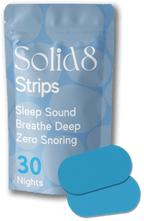
If you want a purpose built, comfort-first option rather than repurposing generic tape, the Solid8 Mouth Tape for Sensitive Skin is designed as a soft, flexible strip with a hypoallergenic, gentle adhesive so it can support nightly use while still coming off cleanly in the morning.
Adhesives: what actually touches your skin
The backing determines how the tape feels between your fingers. The adhesive determines how it feels when you take it off. Even the best fabric can be ruined by a harsh adhesive, so it is worth understanding the basics.
Medical grade acrylic adhesives
Many mouth tapes and medical dressings use acrylic based adhesives. These are popular because they are stable, consistent, and can be formulated in different strengths.
- Pros: Predictable hold, good performance on different skin types when formulated well.
- Cons: Some people with very reactive skin may not tolerate certain acrylic formulas.
- What to look for: Wording like “hypoallergenic” and “gentle adhesive,” especially if you plan to use tape every night.
Silicone adhesives
Silicone adhesives are used in some bandages and specialty tapes because they can feel soft on the skin and remove cleanly.
- Pros: Often feel less aggressive when removed, can be more forgiving during repositioning.
- Cons: Products can cost more, and material thickness changes how they feel.
- What to look for: If a product highlights silicone adhesive as a feature, read how the brand describes removal comfort and long wear.
How strong should mouth tape adhesive be?
In lab tests, adhesive strength is measured with very technical numbers. For sleep, what matters more is how it behaves in daily life. You want something that stays in place across a full night but does not fight you in the morning.
Since most brands do not list exact adhesive values, use product descriptions as your guide. Phrases like “gentle adhesive,” “designed for sensitive skin,” or “clean removal” signal a comfort focused formulation. Solid8 highlights these qualities in its Mouth Tape for Sensitive Skin, and expands on the topic in Mouth Tape That Does Not Hurt to Remove: What to Look For.
Construction details that change how mouth tape feels
Material and adhesive are the foundation, but small design choices can make one tape feel dramatically better than another even when made from similar components.
Shape and size
Some tapes are simple rectangles. Others are shaped to follow the curve of your lips or include small cutouts. The goal is to create enough surface area to stay put without covering so much skin that removal becomes uncomfortable.
If you have a smaller face or narrower lips, you might prefer a slightly shorter strip. If your main concern is keeping your jaw from dropping, a longer strip that bridges more skin can feel more secure.
Stretch and thickness
Thin, slightly stretchy materials tend to move with your mouth as you swallow or change positions. Very rigid or thick strips can feel more noticeable and may pull when your jaw relaxes.
Dedicated sleep tapes like those in the Solid8 Mouth Tape collection are designed with overnight movement in mind, so the stretch is balanced for comfort rather than immobilization.
Breathability and moisture handling
Breathable backings and thoughtfully placed edges help keep the skin underneath less clammy. Materials that trap moisture can feel damp by morning, especially if you breathe out slightly through your lips or drool a bit.
If you know you tend to wake with a damp pillow, look for tapes that specifically mention breathability or moisture friendly design in the description.
Liner and packaging
Small details like an easy peel liner and consistent packaging do not change the science of materials, but they do affect your nightly routine. A tape that is simple to separate and apply is more likely to become a habit you keep.
Purpose built sleep brands often package strips so they are easy to grab in the dark and apply without folding onto themselves, which is helpful if you are starting a new routine.
Comparison table: common mouth tape materials and what to expect
The table below compares typical mouth tape material choices at a glance. Individual products will vary, but this gives you a realistic feel for what each category is like.
| Material / Style | Typical feel | Hold level | Best for | Things to watch |
|---|---|---|---|---|
| Paper style medical tape | Dry, lightweight, slightly stiff | Light to moderate, depends on brand | Short trials, people already used to that tape on their skin | May tear on removal, corners can fray, not shaped for lips |
| Plastic or film based tape | Smooth, less breathable, can feel warmer | Moderate to firm | Users who prefer a more “sealed” feel | Can feel noticeable if you move a lot, may trap more moisture |
| Soft nonwoven or cotton-like fabric | Cloth-like, flexible, friendly on the skin | Light to moderate, depending on adhesive | Comfort focused users and many sensitive-skin scenarios | Very thin versions can lift at the edges if skin is oily or damp |
| Silicone backed or silicone adhesive | Silky, smooth, flexible | Light to moderate, varies with thickness | Users who like silicone bandages and very soft removal | May feel slightly rubbery to some, often higher priced |
| Dedicated sleep strips (elastic fabric) | Soft, slightly stretchy, purpose built for lips | Balanced for overnight use | Regular nightly tapers and people who want an optimized shape | Quality varies, so read about adhesive gentleness and skin focus |
| Solid8 Mouth Tape for Sensitive Skin | Designed to feel soft and comfortable on delicate lip skin | Formulated to balance reliable hold with gentle removal | People with sensitive skin, comfort first users, and nightly routines | As with any new tape, start with a short trial to see how your skin responds |
How to choose the right material for your skin and routine
Once you understand the broad categories, the next step is matching them to your specific needs. Your skin history, how often you plan to tape, and how sensitive you are to texture all play a role.
If you have sensitive or reactive skin
For easily irritated skin, your priority is minimizing friction and harsh adhesive contact. Look for:
- Words like “hypoallergenic” and “for sensitive skin” in the product name or description
- Soft, fabric-like backings instead of stiff plastic films
- Emphasis on “gentle adhesive” and “clean removal”
Solid8 created its Mouth Tape for Sensitive Skin specifically for this group, pairing a soft backing with a hypoallergenic, comfort focused adhesive. For a deeper dive on skin reactions and patch testing, see Hypoallergenic Mouth Tape: What to Look For If You Have Sensitive Skin.
If you are just starting with mouth taping
Beginners often do best with materials that feel as close to “nothing” as possible. That usually means soft, breathable, slightly stretchy strips with a moderate, skin friendly adhesive.
Start with short trial periods, like 30 to 60 minutes while reading or watching something, before sleeping a full night. The step by step approach in Mouth Taping for Beginners walks through how to build that habit gradually and comfortably.
If you tape most nights of the week
People who use mouth tape regularly tend to invest in purpose built sleep strips rather than repurposing generic tapes. Over time, nightly wear amplifies any small irritation. This is where construction that prioritizes comfort really pays off.
Look for brands that clearly state they designed the product for overnight use and that talk openly about adhesive gentleness, long term comfort, and removal. The Solid8 lineup, for example, focuses on sleep performance and nasal breathing, supported by the broader Solid8 Sleep Better collection.
If you want to support nasal breathing and airflow
Material choice can also work together with other tools that support comfortable breathing. Many people pair mouth tape with gentle nose strips to help keep nasal passages open.
If you are curious about pairing, options like the Better Sleep Bundle on Solid8 bring together mouth tape and nose strips in a single routine so you can encourage nasal breathing from both directions. You can explore related options in the Solid8 Nose Strips collection.
Practical checklist: what to look for on a product page
Standing in front of a wall of search results can feel overwhelming. Use this simple checklist when you compare product pages side by side.
- Backing material: Is it described as soft, fabric-like, breathable, or elastic, or does it sound more like a rigid plastic film?
- Hypoallergenic language: Does the product call out “hypoallergenic” or “sensitive skin” in the title, especially important if you react easily?
- Adhesive description: Look for clear wording around “gentle adhesive,” “comfortable overnight wear,” and “easy, clean removal.”
- Intended wear time: Is it described for overnight use or just as a general purpose tape? Sleep specific products are more likely to dial in comfort.
- Shape and design: Does it show a lip friendly shape, rounded corners, or features that reduce edge lift and friction?
- Removal comfort: Check whether the brand discusses removal in the morning. Solid8 covers this directly in Mouth Tape That Does Not Hurt to Remove: What to Look For.
- Consistency and supply: If you plan to use mouth tape most nights, consistent quality and easy reordering matter. Subscriptions and multi month options, like those in the Solid8 Mouth Tape collection, can make this simpler.
Finally, pay attention to how transparently the brand explains its materials. Clear, specific descriptions are usually a good sign that a lot of thought went into comfort and performance.
How Solid8 Mouth Tape for Sensitive Skin fits into this landscape
Solid8 designed its mouth tape for people who care as much about comfort as they do about the benefits of nasal breathing. The Mouth Tape for Sensitive Skin brings together a soft, comfortable backing and a hypoallergenic, gentle adhesive that is intended to stay put through the night and remove cleanly in the morning.
This product sits firmly in the “purpose built sleep strip” category rather than generic tape. It is shaped for the mouth area, created with delicate lip skin in mind, and positioned for users who want a consistent, nightly tool rather than an occasional experiment.
If you prefer to set your routine and forget about reordering, Solid8 also offers multi month and yearly supply options within the mouth tape collection. Many people who like the effect of nasal breathing choose a setup that keeps a fresh strip available every night.
For some sleepers, adding gentle nasal support can help the experience feel even more open and comfortable. Bundles like Solid8’s Better Sleep focused sets, which combine mouth tape with nose strips from the Solid8 Sleep Better collection, are one way to build a simple, consistent bedtime routine around breathing comfort.
FAQs about mouth tape materials and what to look for
1. What is the best material for mouth tape if I have sensitive skin?
People with sensitive skin often do best with soft, breathable, fabric-like backings paired with a hypoallergenic, gentle adhesive. Look for products that clearly label themselves for sensitive skin and emphasize clean removal, such as the Solid8 Mouth Tape for Sensitive Skin. Always patch test on a small area during the day before committing to overnight wear.
2. Are generic paper medical tapes safe to use as mouth tape?
Paper medical tapes are created for general wound care, not specifically for overnight lip use. Some people experiment with them, but the shape and adhesive are not optimized for the mouth, and the material can tear or fray. If you plan to tape regularly, a purpose built sleep strip is usually more comfortable and predictable.
3. Does a stronger adhesive mean better results?
Stronger does not automatically mean better. You want an adhesive that is strong enough to stay put but gentle enough to remove without pain or redness. Extremely aggressive adhesives can be uncomfortable on delicate lip skin. Look for a balanced description, such as “secure overnight hold with gentle, clean removal.”
4. How important is breathability in mouth tape material?
Breathability helps keep the skin underneath more comfortable, especially over several hours. Non breathable plastic films can feel warmer and may trap more moisture. Soft, fabric like backings with some airflow often feel better for many people, particularly if they use tape most nights.
5. Can I reuse a mouth tape strip if it still feels sticky?
High quality mouth tape is designed as a single use product. Reusing strips can reduce adhesion, lead to an unpredictable hold, and is not ideal from a hygiene perspective. For consistent comfort and performance, plan on a fresh strip each night.
6. What should I do if my skin feels irritated after using mouth tape?
If you notice irritation, stop using the tape until your skin calms down. Give your lips time to recover, then consider trying a hypoallergenic, sensitive-skin formulation. Solid8’s article on Hypoallergenic Mouth Tape explains how to patch test and what ingredients and descriptions to prioritize.
7. Are silicone mouth tapes better than fabric ones?
Neither material is automatically better. Silicone based tapes can feel very soft and remove cleanly, while fabric-like tapes can feel more natural and breathable. Your choice depends on texture preference, skin response, and how the brand has formulated the adhesive and backing together.
8. How do I know if a mouth tape is high quality?
High quality mouth tape usually has clear descriptions of its backing, adhesive, intended wear time, and removal experience. It is purpose built for sleep, uses skin focused language such as “hypoallergenic” or “gentle adhesive,” and is offered by a brand that provides detailed educational content, like Solid8’s guides on sleep performance and mouth taping.
9. Can mouth tape materials affect snoring or sleep apnea?
Material choice mainly affects comfort, hold, and how easy it is to use mouth tape consistently. Many people report that comfortable, reliable tape helps them maintain nasal breathing throughout the night, which may influence snoring for some individuals. If you have diagnosed or suspected sleep apnea, you should talk to a healthcare professional before adding mouth taping, and you can read context in Solid8’s article Mouth Taping and Sleep Apnea: What You Need to Know.
10. Is there a difference between buying mouth tape on Amazon and buying direct from a brand?
Where you buy does not change the physical materials, but it can affect freshness, authenticity, return policies, and subscription options. Solid8 outlines the tradeoffs in Mouth Tape on Amazon vs Direct. Purchasing directly from a brand like Solid8 often gives you clearer access to support, education, and consistent supply options.
Understanding mouth tape materials helps you move from guessing to choosing with intent. Instead of wondering why one strip feels scratchy or why another leaves your lips red, you can read a product page and immediately know whether the backing, adhesive, and design are aligned with your skin and your routine.
If you are ready to try a comfort focused option, the Solid8 Mouth Tape for Sensitive Skin is an easy starting point. It sits at the intersection of soft materials, hypoallergenic adhesive, and sleep specific design, and it pairs naturally with Solid8 nose strips and bundles in the Solid8 Sleep Better collection if you decide to build a full breathing centered bedtime routine.
Disclaimer: This article is for general informational purposes only and is not medical advice. Mouth taping and any changes to your sleep routine should be approached thoughtfully. If you have breathing issues, cardiovascular conditions, or suspected sleep apnea, consult a qualified healthcare professional before using mouth tape or changing your current treatment plan.