Mouth Tape Checklist for First-Time Buyers
Share
If you are thinking about trying mouth tape for the first time, you want a clear checklist that tells you what to look for, what to avoid, and how to pick a strip that actually feels comfortable on your skin. This mouth tape checklist for first time buyers walks you through the essentials so you can move from curiosity to a confident first night of use.
Below you will find a practical, step by step guide that covers safety basics, skin sensitivity, adhesive strength, shape, and how to test your tape before sleeping in it. Along the way we will point out how Solid8 Sleep’s Mouth Tape for Sensitive Skin lines up with these criteria, so your research naturally leads to a product choice if you decide you are ready to try mouth taping.
- A smart mouth tape checklist for first time buyers should cover safety, skin sensitivity, adhesive strength, shape, and ease of removal.
- Gentle, hypoallergenic strips are usually the most forgiving choice when you are testing mouth taping for the first time.
- Many beginners do best with a small, lip sized strip rather than full coverage tape that seals the entire mouth area.
- A quick daytime patch test and short practice session can tell you more than hours of scrolling reviews.
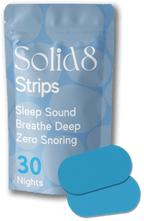
- Solid8 Sleep’s Mouth Tape for Sensitive Skin is designed for first time users who want a kinder adhesive and clean removal.
Why a Mouth Tape Checklist Matters for First-Time Buyers
Mouth taping has grown from a niche wellness idea into a common sleep tool. Many people report that gently keeping the lips closed at night may support quieter breathing, reduce dry mouth, or help them wake up feeling less parched. But if your very first strip is harsh, too sticky, or the wrong shape, the experience can be uncomfortable enough that you never try again.
A simple mouth tape checklist for first time buyers helps you avoid those problems. It guides you toward products that are kinder on skin, easier to remove in the morning, and less intimidating to wear all night. It also keeps expectations realistic. Mouth tape is not a cure for medical conditions, but for some people it can be one piece of a better sleep routine.
If you want a deeper look at the potential benefits, Solid8 covers this in The Link Between Mouth Tape and Sleep Quality. In this article, we will stay focused on helping you choose the right first product and set yourself up for a comfortable trial run.
The 10 Point Mouth Tape Checklist for First-Time Buyers
Use this mouth tape checklist as you compare products. You do not need perfection in every category, but the more boxes you can check, the smoother your first experience is likely to be.
1. Safety Basics: Are You a Good Candidate to Try Mouth Tape?
Before you shop, pause and make sure mouth taping is appropriate for you. Mouth tape is a consumer wellness product, not a medical device, and it is not suitable for everyone.
First time buyers should consider:
- Nasal breathing comfort. You should be able to breathe comfortably through your nose both day and night. If your nose often feels blocked, taping your mouth may feel unpleasant.
- Existing conditions. If you live with significant respiratory issues, uncontrolled sleep apnea, or other conditions that affect breathing, it is important to speak with a healthcare professional before using mouth tape.
- CPAP use. Some CPAP users report that mouth tape may help reduce air leaks or dry mouth. If that is you, you may want to read Solid8’s guide on top mouth tapes for CPAP users to understand how people combine these tools.
Takeaway: Mouth tape is best for people who breathe easily through the nose and do not have medical reasons that make lip taping risky. When in doubt, ask a clinician first.
2. Skin Type and Sensitivity
Your skin type should be near the top of any mouth tape checklist for first time buyers. The skin around the lips is thin and can react quickly to harsh adhesives.
Think through these points:
- History of reactions. If bandages or cosmetic patches often leave redness, itching, or marks, you will want a product that is specifically described as hypoallergenic and gentle.
- Daily skincare. If you use strong actives on or around the mouth, such as exfoliating acids or retinoids, the area may be more fragile and need a softer adhesive.
- Shaving or facial hair. For men who shave, applying tape over freshly shaved skin can sometimes increase irritation. Facial hair can also affect how well tape sticks.
Solid8 Sleep designed its Mouth Tape for Sensitive Skin with a hypoallergenic, gentle adhesive that aims to reduce irritation and support clean removal. If you want more detail on what to look for in low reaction strips, Solid8’s guide on hypoallergenic mouth tape for sensitive skin is worth a read.
3. Adhesive Strength and Clean Removal
Choosing adhesive strength is one of the biggest decisions for first time users. Too weak and the tape may peel off in the night. Too strong and you might wake up to tugging or sticky residue.
Look for:
- Secure but forgiving grip. The tape should stay put on normal, dry skin but still release with a smooth, controlled peel in the morning.
- Clean removal. Many people prefer a tape that does not leave strings of adhesive or a sticky feel after washing.
- No aggressive “super glue” claims. Extremely high grip can sound reassuring, but it is rarely beginner friendly for the delicate mouth area.
Many people report that a moderate strength adhesive is ideal for the first few weeks, and only later consider stronger options if they move a lot in their sleep.
4. Shape and Size of the Strip
Mouth tape comes in several shapes. For a first trial, simple is usually best.
- Lip sized strips. These cover just the lips, often in a horizontal shape. They feel less intense and allow more skin around the mouth to stay uncovered.
- “X” or cross designs. These focus on the center of the lips and may feel more flexible when you move your face.
- Full coverage patches. These cover a wider area around the mouth. Some users like the security, but beginners often find them too much for a first test.
For most first time buyers, a slim lip strip, like the design used in Solid8’s Mouth Tape for Sensitive Skin, is an easy starting point. It nudges the lips closed without feeling like a face mask.
5. Breathability and Venting Features
Breathability is a major comfort factor. Some tapes are simple fabric strips. Others add small venting features that give a sense of airflow even when the lips are closed.
In your buying checklist, look for:
- Breathable backing. Fabric or non woven materials usually feel less sweaty than thick plastic style tape.
- Optional venting. Some strips include a small central cutout or thinner middle section that can make the experience feel less restrictive.
- No heavy occlusion. If you dislike the feeling of airtight patches on your skin, avoid thick, rubbery materials.
Many first time users say that a breathable, flexible strip makes it mentally easier to fall asleep, because the tape feels like a gentle reminder rather than a hard seal.
6. Ingredients and Materials
The materials that touch your lips and surrounding skin matter, especially if you tend to be reactive. Most quality mouth tapes use a medical grade adhesive and a soft fabric backing, but details still vary.
As you read product descriptions, note:
- Hypoallergenic language. This does not guarantee zero reaction, but it signals that the formula aims to reduce common irritants.
- Latex free claims. If you have latex sensitivity, this line is important.
- Fragrance free. Added fragrances around the lips are often unnecessary and can bother sensitive users.
If the ingredient list is not clear, consider contacting the brand before you buy. Solid8 Sleep makes it easy to reach out through their contact page if you have material questions.
7. Fit, Stretch, and How It Moves With Your Face
A good beginner friendly strip should move with your face rather than fighting it. You should be able to talk briefly, smile a little, or adjust your jaw without painful tugging.
Look for:
- Soft, flexible backing. Fabric or stretchy material usually feels more natural and less “crinkly.”
- Appropriate length and width. The strip should comfortably span your lips without digging into the corners of your mouth.
- Stable edges. Well finished edges are less likely to curl or scratch your skin during the night.
If you are a side sleeper, how the tape moves can matter even more. Solid8 covers this in their guide to mouth tape for side sleepers, which is helpful if you often end up twisted into different positions overnight.
8. Ease of Use for Nightly Routines
If a product is annoying or fiddly, you are less likely to use it consistently. When you evaluate mouth tape, think about how it fits into your nightly routine.
- Individual strips. Pre cut strips are more convenient than having to trim or measure tape every night.
- Simple packaging. A box or pouch that lives in your nightstand makes it more likely you will actually use the product.
- Clear instructions. Look for brands that show how to apply the strip and how to remove it without discomfort. Solid8 has a dedicated guide, How to Mouth Tape for Better Sleep, that walks through the process.
Practical details like these often make the difference between trying mouth tape once and building a real habit around it.
9. Quantity, Value, and Subscriptions
Once you find a strip that agrees with your skin, you will probably want to use it for more than a few nights. Quantity and replenishment options matter.
- Number of strips. Check how many nights you are getting in each package so you can compare value across brands.
- Subscription options. If you decide mouth taping helps, subscriptions can make it easier to stay stocked without thinking about it.
- Storage. Individually cut strips in a resealable box are easy to travel with and keep clean.
Solid8 offers dedicated mouth tape collections on the Solid8 Mouth Tape page, so you can explore different pack sizes and subscription style options once you know the product is a good fit.
10. Brand Transparency and Education
Finally, consider how open and helpful the brand is. Mouth taping is still new for many people, so educational content can be a sign that the company cares about safe, thoughtful use.
Good signs include:
- Clear guidance on who should and should not use mouth tape
- Practical tips for a gentle first trial night
- Content that explains both potential benefits and limitations
Solid8 Sleep publishes detailed articles such as How Mouth Taping Reduces Snoring and 12 Essential Facts About Mouth Tape for Better Sleep, which helps first time users set realistic expectations and use the product in a considered way.
How Different Mouth Tape Types Compare for First-Time Buyers
To make your decision easier, it helps to see how common mouth tape styles differ when you apply the checklist above. Below is a comparison of popular options, including a beginner friendly choice from Solid8 Sleep.
| Mouth Tape Type | Typical Material & Feel | Beginner Friendliness | Best For | Potential Drawbacks |
|---|---|---|---|---|
| Generic hardware or sports tape | Heavy duty adhesive on plastic or cloth backing | Low for first timers | Short daytime experiments only, if at all | Adhesive can be harsh, removal may be painful, not designed for facial skin |
| Full coverage mouth patches | Large patch covering mouth area, often non woven | Moderate | Users who already know they like mouth taping and want maximum coverage | Can feel intense or claustrophobic for beginners, more skin exposed to adhesive |
| Small lip strips with venting | Soft, flexible strip over the lips, sometimes with central vent or cutout | High for first timers | Most new users, people nervous about sealing the mouth fully | May come off more easily in very restless sleepers |
| Solid8 Mouth Tape for Sensitive Skin | Hypoallergenic, gentle adhesive on a soft, lip sized strip | Very high for sensitive or cautious users | First time buyers who want a forgiving adhesive and clean removal | Like any gentle tape, users who want extremely strong grip may prefer a firmer option |
When you are just starting, most people do best with smaller, hypoallergenic lip strips rather than improvised or heavy duty tapes. Once you know how your skin responds and how you feel about mouth taping in general, you can adjust from there.
If you want to skip the trial and error with harsh tapes, Solid8’s Mouth Tape for Sensitive Skin was created specifically for gentle, nightly use around the mouth. It can be a straightforward starting point that still checks the key boxes in this checklist.
How to Test Your First Mouth Tape Before Sleeping In It
Once you have chosen a product, your next step is a simple test routine. This helps you spot any irritation early and get comfortable with the feel of mouth tape before a full night of use.
Step 1: Daytime Patch Test
- Cut or choose a single strip.
- Apply it to clean, dry skin on your forearm or along the jawline.
- Leave it in place for 20 to 30 minutes while you do something light at home.
- Remove it slowly and check for redness, burning, or lingering discomfort.
A mild impression that fades quickly is common. Intense itching, burning, or visible welts suggest that strip is not right for you.
Step 2: Short, Awake Trial Over the Lips
- Apply the tape over clean, dry lips while you are awake and relaxed.
- Breathe through your nose for 5 to 10 minutes while you read or watch something calm.
- Practice removing the tape slowly from one corner, keeping the skin supported with your other hand.
This step shows you what the tape feels like and reassures your mind that you can remove it quickly if needed.
Step 3: First Night of Use
- Keep the first night simple. Avoid alcohol or heavy meals close to bedtime.
- Apply one strip right before sleep, after you have finished any talking or screen time.
- Keep a glass of water and tissues nearby so you feel prepared.
- If you wake up uncomfortable, remove the tape and try again another night instead of forcing it.
If you would like a more detailed walkthrough, the Solid8 article How to Mouth Tape for Better Sleep provides an extended step by step routine.
Common First-Time Mistakes to Avoid
Even with a good checklist, there are a few easy mistakes that can make mouth taping feel worse than it needs to. Knowing them ahead of time keeps your first trial smoother.
Mistake 1: Using Regular Hardware or Sports Tape
Grabbing whatever tape is in the drawer might sound convenient, but these products are not designed for delicate facial skin. Many people report stinging removal, sticky residue, or even tiny skin tears when they use heavy duty tape on their lips.
If you are unsure what to choose instead, Solid8’s article on alternatives to Hostage Tape compares several purpose made mouth tape options so you can stay within dedicated sleep products.
Mistake 2: Ignoring Nasal Congestion
If your nose is fully blocked, taping your mouth is likely to feel frustrating. Many first time users find it helpful to address basic nasal comfort first. That may mean a gentle saline rinse, a warm shower before bed, or talking with a clinician about persistent congestion.
Some people also like adding a nasal support product such as the Solid8 Nose Strips for Better Breathing and Sleep to help keep the nasal passages open. Mouth tape and nose strips can complement each other for people whose main goal is more comfortable nasal breathing.
Mistake 3: Skipping the Patch Test
It is tempting to jump straight to an overnight trial. A simple 20 to 30 minute patch test, however, gives you important information about how your skin reacts. This small step can prevent a night of irritation and help you filter out products that are not a match for your skin.
Mistake 4: Expecting Instant, Dramatic Results
Some people notice changes in snoring or dry mouth within a few nights. Others need a week or two to adjust and see whether mouth tape makes a noticeable difference. Try to treat your first box as an experiment. Pay attention to how you feel on waking, and remember that mouth tape is only one part of a bigger sleep picture that includes bedtime, stress, and environment.
When to Add Complementary Sleep Tools
Once mouth taping feels comfortable, you may want to build a small toolkit to support nighttime breathing and overall sleep quality.
- Nose strips. Products like the Solid8 Nose Strips can help mechanically lift the sides of the nose. Many users combine these with gentle mouth tape when they want to support nasal airflow from both directions.
- Sleep hygiene habits. Simple practices like consistent bedtimes, a darker room, and reduced late caffeine often make it easier to notice small benefits from mouth taping.
- Professional guidance. If loud snoring, gasping, or non restorative sleep continue even with lifestyle changes, that is a signal to talk with a clinician about possible sleep disordered breathing.
Mouth tape can be a helpful tool for some people, but it is not a replacement for medical evaluation when symptoms suggest a deeper issue.
Putting Your Mouth Tape Checklist Into Action
You now have the core pieces of a mouth tape checklist for first time buyers. To recap in practical terms, your best starting point is usually a gentle, hypoallergenic, lip sized strip from a brand that is transparent about materials and that offers clear guidance on how to use the product.
Solid8 Sleep’s Mouth Tape for Sensitive Skin was built with that beginner profile in mind. It focuses on softer adhesive, clean removal, and comfortable nightly use, which lines up closely with the criteria in this guide. If you decide to experiment and find that mouth taping supports your comfort at night, you can always explore more options within the broader Solid8 Sleep Better collection as a next step.
The most important thing is to move at your own pace. Start with a patch test, give yourself a few nights to adapt, and pay attention to how both your skin and your sleep feel. With a thoughtful checklist and the right product, your first experience with mouth tape can be calm, comfortable, and genuinely informative.
Frequently Asked Questions
1. Is mouth tape safe for first time users?
Mouth tape can be appropriate for many healthy adults who breathe comfortably through their nose and do not have medical conditions that affect nighttime breathing. It is not suitable for everyone, and it is always wise to talk with a healthcare professional if you have concerns about snoring, sleep apnea, or respiratory issues before using any lip taping product.
2. What makes a good beginner friendly mouth tape?
A good first time product usually has a gentle adhesive, a hypoallergenic formula, a soft and flexible backing, and a simple lip sized shape. These features help the tape stay in place while still removing cleanly in the morning and keeping the overall experience as comfortable as possible.
3. Why should I choose a hypoallergenic mouth tape?
The skin around your mouth is thin and sensitive. Hypoallergenic strips, like the Solid8 Mouth Tape for Sensitive Skin, are formulated to reduce common irritants and may be less likely to cause redness or itching. While no product can guarantee zero reaction for every user, hypoallergenic designs are often a safer starting point.
4. How do I know if the adhesive is too strong for me?
If the tape feels painful to remove, leaves visible marks that last for hours, or pulls at the skin enough to feel like removing a strong bandage, the adhesive is probably too aggressive for regular use around your mouth. A short patch test on your arm and a brief daytime trial over the lips are simple ways to judge comfort before sleeping in any tape.
5. Can I use regular tape from a hardware or sports store instead?
Most experts advise against using general purpose tapes on the face. Hardware and sports tapes are not designed for the thin skin around the lips and often use strong adhesives that can be harsh or difficult to remove. Purpose made mouth tape products are a more skin friendly choice, especially if you are a first time user.
6. Will mouth tape stop snoring completely?
Some people report that mouth taping can reduce snoring volume or frequency, particularly when open mouth breathing is the main contributor. However, it is not a guaranteed fix and does not treat underlying medical conditions such as sleep apnea. Solid8’s guide on how mouth taping reduces snoring explains how it may help in certain situations.
7. How many nights should I test a new mouth tape?
Many people give a new strip at least a week of consistent use, as long as their skin tolerates it well and they feel comfortable, before deciding whether it is helpful. This allows time to adjust to the new sensation and to notice any patterns in how you feel on waking.
8. Can mouth tape be used with a CPAP machine?
Some CPAP users find that mouth tape can help reduce air leaks or dry mouth from sleeping with the mouth open. If you use CPAP, it is important to discuss mouth taping with your sleep specialist first so they can advise you on safety and mask fit. For general guidance, Solid8’s article on mouth tapes for CPAP users can be a helpful starting point.
9. What should I do if my skin gets irritated from mouth tape?
If you notice significant redness, itching, or discomfort, remove the tape gently and give the area time to recover. You may want to switch to a more gentle, hypoallergenic strip or stop mouth taping altogether. If irritation persists, consult a medical professional or dermatologist before trying additional products.
10. How do Solid8 mouth tape strips fit into a nightly routine?
Most users apply a single Solid8 strip as the last step before bed, after brushing their teeth and finishing any talking or screen time. The lip sized design makes it easy to place over clean, dry lips. In the morning, you simply peel the strip off slowly from one corner and wash your face as usual, which keeps the routine simple and repeatable.
Disclaimer: This article is for general informational purposes only and does not provide medical advice, diagnosis, or treatment. Always consult a qualified healthcare professional about your specific health situation, especially if you have concerns about breathing, snoring, or sleep disorders before using mouth tape or any similar product.
Mouth taping is a personal experiment. With a thoughtful checklist, a gentle product like the Solid8 Mouth Tape for Sensitive Skin, and a little patience, many first time users are able to decide whether it deserves a long term place in their sleep routine, all while keeping skin comfort and safety at the center of the process.