
Mouth Tape vs Chin Straps: Which Should You Buy?
Share
If you are trying to stop sleeping with your mouth open, you have probably narrowed it down to two options: mouth tape or a chin strap. Both are meant to keep your mouth more comfortably closed at night so nasal breathing feels easier, which many people report can reduce dry mouth and night time noise.
For most healthy adults comparing mouth tape vs chin straps for sleeping, a high quality, hypoallergenic mouth tape is usually the simpler, lower friction first purchase. Chin straps can still make sense in specific situations, especially for people who need stronger jaw support alongside CPAP, but they are bulkier and change how your headgear fits. The right choice for you depends on comfort, skin sensitivity, facial hair, and how much support you actually need.
Key Takeaways
- Mouth tape and chin straps both aim to reduce open mouth breathing at night, but mouth tape works at the lips while chin straps support the jaw.
- Mouth tape is low profile and unobtrusive, which many people find more comfortable than a full head strap.
- Chin straps can provide firmer jaw support, which some CPAP users prefer when dealing with mouth leaks.
- If you have sensitive skin, hypoallergenic mouth tape that is designed for clean removal is usually easier to tolerate than generic adhesives or tight fabric straps.
- For many healthy adults, starting with a dedicated sleep mouth tape such as Solid8 Mouth Tape for Sensitive Skin is a practical way to explore nasal breathing at night.
Mouth Tape vs Chin Straps: How They Actually Differ
What each product is doing
Mouth tape is an adhesive strip that rests over the lips. It is designed to give your lips a gentle cue to stay together so your mouth does not fall open as easily once you relax. It is not intended to clamp your jaw shut. Sleep focused options, like those discussed in Best Mouth Tape for Improving Sleep Quality: What Matters (And What Does not), are built specifically for overnight use and skin contact.
Chin straps (often called jaw straps) are fabric or neoprene bands that go under your chin and around the top or back of your head. They work mechanically. By lifting the jaw, they make it harder for the mouth to fall wide open. That physical support is why some people compare mouth tape vs chin strap CPAP setups when they deal with pressurized air leaking from the mouth.
In both cases, the goal is similar: encourage nasal breathing during sleep and reduce the amount of time your mouth hangs open. Many people who snore, wake up with a dry mouth, or feel groggy from disrupted sleep try one of these tools to see if it supports quieter, more stable breathing.
Fast answer: which should you buy first?
If you are not using CPAP and mainly notice light snoring, dry mouth, or occasional mouth breathing, starting with mouth tape is usually easier. It is minimal, quiet, and you do not have to learn how to adjust straps on your head. For an overview of why nasal breathing may feel better than habitual mouth breathing, you can also read Nasal Breathing vs Mouth Breathing: The Role of Mouth Taping.
If you already sleep with a CPAP mask and your jaw tends to drop very far open, a chin strap can give you extra jaw support. Some people in this situation still add mouth tape later, but they often start with the mechanical support first, then layer on more targeted lip support only if needed.
Mouth Tape vs Chin Straps: Side by Side
This quick comparison highlights the practical differences most shoppers care about when choosing between mouth taping or chin straps.
| Feature | Mouth Tape | Chin Strap / Jaw Strap |
|---|---|---|
| How it works | Light adhesive support at the lips to help keep the mouth comfortably closed | Fabric band lifts and supports the jaw to make mouth opening less likely |
| Bulk and feel | Very low profile, nothing around the head | More gear around head and ears, can feel warmer or bulkier |
| Adjustability | One size strip, you choose placement and frequency of use | Adjustable straps, need to be tightened and positioned to fit |
| Travel friendliness | Extremely portable, single use strips pack flat | Takes more space in a bag, may need occasional cleaning |
| Facial hair considerations | Can often be placed where skin is bare, works for many with beards or stubble | Band must pass under chin, which can be tricky with thicker beards |
| Skin contact | Adhesive touches the lip and nearby skin, ingredient quality matters | Fabric or neoprene touches a larger area of skin, pressure points possible |
| Best suited for | Healthy adults wanting a gentle, minimal way to support nasal breathing | People needing firmer jaw support, including some CPAP users concerned about mouth leaks |
How Mouth Tape Works (And Why Many People Prefer It)
The basic mechanism
When your lips are gently supported, your lower jaw is less likely to sag open. This encourages air to flow through your nose instead of your mouth. Many people report that this simple change helps them wake up with a less dry mouth, fewer night time awakenings, and a calmer feeling in the morning.
Sleep specific tapes are designed for this single purpose. For example, Solid8 Mouth Tape for Sensitive Skin is a hypoallergenic, nightly mouth tape that uses a gentle adhesive for clean removal. It is created for people who want the benefits of mouth taping without harsh adhesives on their lips.
Pros of mouth tape
- Minimal gear at night. With tape, you are not adding a new strap or harness to your sleep setup. A single strip across the lips is easy to forget once you fall asleep.
- Works with most sleep positions. Because there is no band under your chin, there is less to press into the pillow if you are a side or stomach sleeper.
- Easy nightly routine. You simply apply a strip before bed and peel it off in the morning. There is no hardware to adjust.
- Discreet and portable. Strips tuck easily into a toiletry bag, backpack, or carry-on, so you can keep your routine consistent when traveling.
- Flexible use. You can use it every night or only on nights when you feel stuffy or particularly tired.
Potential downsides of mouth tape
- Not for everyone. Anyone with breathing difficulties, significant nasal blockage, certain medical conditions, or untreated sleep apnea should only experiment with mouth tape under professional guidance.
- Skin sensitivity. If you react to adhesives, low quality tape can irritate the skin around your lips. This is why choosing a hypoallergenic option designed for sensitive skin is important. Solid8 covers this topic in more detail in Hypoallergenic Mouth Tape: What to Look For If You Have Sensitive Skin.
- Learning curve. It can feel strange at first. Many people start by using tape for short naps or a portion of the night while they get used to the sensation.
If you like the idea of a low profile solution and you have sensitive skin, a sleep specific option such as Solid8 Mouth Tape for Sensitive Skin gives you a gentle adhesive, clean removal, and a shape designed for overnight comfort. You can also explore the wider Solid8 Mouth Tape collection if you want different pack sizes or routines.
How Chin Straps Work (And When They Make Sense)
The basic mechanism
A chin strap wraps under your chin and around your head. The tension in the strap provides upward pressure, which can help keep your jaw in a more closed position. This reduces how far and how often your mouth falls open when your muscles relax.
Some people find that this mechanical support is reassuring, particularly if their jaw tends to drop noticeably when they fall asleep. Others feel that the strap changes how their head rests on the pillow or interacts with existing headgear, such as a CPAP mask.
Pros of chin straps
- Firm jaw support. A chin strap does not just cue your lips, it supports the whole lower jaw.
- Adjustable fit. Many straps include Velcro or buckles, so you can fine tune how snug they feel around your head.
- Can pair with CPAP. Some people who use CPAP with a nasal mask choose a chin strap to reduce air escaping through the mouth.
Potential downsides of chin straps
- More gear on the face and head. The strap needs to stay in place all night, which means it may cross your cheeks, ears, and scalp.
- Possible pressure points. The band can press on the jaw or cheeks, especially if worn too tightly.
- Interaction with other equipment. If you already use a CPAP mask or sleep with headphones, adding a chin strap can make your setup feel crowded.
- Cleaning and upkeep. Fabric straps need periodic washing to stay fresh, which adds one more thing to maintain.
Comfort, Skin, and Facial Hair: What Really Matters Night After Night
If you have sensitive skin
Skin response is one of the biggest deciding factors between mouth tape vs jaw strap solutions. Adhesives can irritate some people, while pressure and friction from straps can bother others.
If you know your skin is reactive, a hypoallergenic mouth tape designed for nightly use is usually the safer starting point. Solid8 created its Mouth Tape for Sensitive Skin with gentle adhesive and clean removal in mind, which can support comfort for people worried about redness or residue. If you are curious about the details that matter most for delicate skin, this comfort first guide on hypoallergenic mouth tape is a useful next read.
Chin straps avoid adhesive but increase the amount of fabric in contact with your skin. If you are prone to irritation from pressure, heat, or friction, you may find that a strap leaves lines on your cheeks or feels warm around the jaw. That does not make chin straps bad, it simply means you should pay close attention to material and fit if you choose this route.
If you have a beard or stubble
Facial hair complicates both options, but in different ways. Tape needs enough bare skin to adhere properly, so you may need to place it across the center of the lips where hair is minimal. Solid8 addresses beard specific tips in more depth in Mouth Tape With a Beard: How to Make It Stick Comfortably.
Chin straps do not rely on adhesion, but they do need to run under the chin and sometimes partially over a beard. Very thick or long beards can make the strap harder to position snugly.
If you toss and turn
Movement during sleep matters more than most people think. Side and stomach sleepers often prefer mouth tape because it does not shift as easily when the head moves on the pillow. There is no band to ride up or slip off.
Chin straps can still work for active sleepers, but they need to fit well. Straps that are slightly too loose can slide. Straps that are too tight can feel restrictive. If you select a strap, expect to spend a few nights getting the tension right.
Buying Decision Guide: Mouth Tape or Chin Strap for Your Situation
For snoring and dry mouth
If your main complaints are snoring and waking with a dry mouth, and you do not have diagnosed sleep apnea, mouth tape is often the cleaner solution to try first. It focuses specifically on the lips, which are the main gate for air escaping through the mouth.
Many people who ask whether mouth tape will stop their snoring are really wondering if keeping the mouth closed will quiet the noise. Solid8 explores this question in more detail in Will Mouth Tape Really Stop Your Snoring?. The short version is that supporting nasal breathing is one helpful lever for some people, but it is not a substitute for medical evaluation if snoring is severe or accompanied by gasping, choking, or excessive daytime sleepiness.
If you want a single, low profile product that addresses dry mouth and may reduce light snoring, a sleep specific tape such as Solid8 Mouth Tape for Sensitive Skin is an easy starting point.
For CPAP users comparing mouth tape vs chin strap CPAP setups
CPAP users often face an extra challenge: pressurized air can escape through even a small opening at the lips. Many people in this situation consider either a chin strap, mouth tape, a full face mask, or some combination of these.
A chin strap can support the jaw and reduce how far the mouth opens, which may help some CPAP users manage leaks. However, it adds another strap system to your head, which can interact with your existing mask straps.
Mouth tape, on the other hand, focuses on sealing or supporting the lips. Some CPAP users prefer this because it does not interfere with mask fit, and it can be used with both nasal pillows and nasal masks. Others feel more secure with the firmer jaw support of a strap. If you use CPAP, it is important to involve your sleep professional when you introduce any new device, since CPAP therapy needs to remain effective and safe.
For people who want a simple, travel friendly setup
If you travel frequently or want a solution that disappears into your routine, mouth tape is usually the most convenient option. It requires no charging, no adjustments, and no extra luggage space. A month or more of strips can fit in a flat pouch.
Chin straps are still portable, but they take up more space and may need to be taken off during airport security checks. For people who care about a minimalist evening routine, the simplicity of tape is usually appealing.
How to Use Mouth Tape Safely and Comfortably
Used thoughtfully, mouth tape can become a very simple part of your sleep ritual. Here is a basic approach that keeps comfort and common sense front and center.
1. Make sure it is appropriate for you
Before you experiment with mouth taping or chin straps, consider your health background. People with significant nasal obstruction, breathing difficulties, untreated sleep apnea, or certain medical conditions should speak with a healthcare professional first. Mouth tape is intended for generally healthy adults who can breathe comfortably through their nose.
2. Choose purpose built tape
Not all tape is created for skin contact or overnight use. Using hardware tape, generic packaging tape, or improvised options on your lips is not a good idea. A dedicated product like Solid8 Mouth Tape for Sensitive Skin is designed for this exact purpose, with hypoallergenic materials and a focus on gentle removal.
3. Start slowly
If the idea of fully taping your mouth feels uncomfortable, you can ease in:
- Wear tape for short, daytime relaxation sessions so you can get used to the feeling while awake.
- Use it for only part of the night at first, then gradually increase the time as you feel more confident.
- Pay attention to how your nose feels. If your breathing feels strained, remove the tape.
4. Apply correctly
Place the tape gently over clean, dry lips. Avoid stretching your lips or skin as you apply it. Press lightly to secure, then test that you can still part your lips slightly under the tape if you need to. The goal is support, not force.
5. Remove in the morning with care
In the morning, peel the tape off slowly, following the line of your lips. With a gentle adhesive like the one used in Solid8 mouth tape, this should be straightforward. If your lips feel dry, apply a simple lip balm once the skin is clean.
What About Nose Strips and Combinations?
Some people find that their mouth opens because their nose feels restricted. In those cases, supporting nasal airflow as well as keeping the lips closed can feel more comfortable. This is where nose strips and bundles come into the picture.
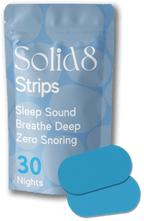
Nose strips sit across the bridge of the nose and can help mechanically lift the nasal passages. They are not a medical treatment, but many people use them to make nasal breathing feel easier at night. Solid8 offers a dedicated Solid8 Nose Strips collection for people who want this kind of support.
If you already know you want to combine both approaches, the Better Sleep Bundle - Mouth Tape + Nose Strips (30 Night Supply) gives you a month of coordinated mouth tape and nose strips in one package. For shoppers looking to upgrade their general sleep routine, the broader Solid8 Sleep Better collection is also worth exploring.
When Not To Use Mouth Tape or Chin Straps
Both tools are simple, but they still change how air flows when you are asleep, so they are not right for everyone. It is especially important to be cautious if any of the following apply:
- You have diagnosed or suspected sleep apnea that is not being treated.
- You have significant nasal congestion, chronic sinus issues, or structural nasal problems.
- You experience shortness of breath, chest pain, or breathing difficulties at night.
- You have a medical condition that affects your airway, muscles, or consciousness during sleep.
If any of these apply, talk with a healthcare professional or sleep specialist before trying mouth tape or a jaw strap. Solid8 covers safety considerations for mouth taping and more complex conditions such as sleep apnea in articles like Mouth Taping and Sleep Apnea: What You Need to Know.
FAQ: Mouth Tape vs Chin Straps
1. Is mouth tape safer than a chin strap?
Neither option is automatically safer in every situation. Mouth tape is lighter and more targeted, which many healthy adults find comfortable. Chin straps rely on mechanical support of the jaw. The safest choice depends on your health, your ability to breathe easily through your nose, and whether you have conditions such as sleep apnea. When in doubt, talk with a healthcare professional before using either product.
2. Will mouth tape or a chin strap stop my snoring completely?
Some people report less snoring when they reduce open mouth breathing, but neither product is guaranteed to stop snoring completely. Snoring can involve the tongue, soft palate, nose, and other structures. If your snoring is loud, nightly, or accompanied by gasping or pauses in breathing, professional evaluation is important rather than relying only on self help tools.
3. Can I use mouth tape with CPAP instead of a chin strap?
Many CPAP users explore mouth tape as an alternative or addition to chin straps, particularly when they use nasal pillows or a nasal mask. Mouth tape can help support the lips, while the CPAP mask manages pressurized air. However, any change to your CPAP setup should be discussed with your sleep provider so that your therapy stays effective and properly monitored.
4. Does mouth tape work if I have a beard?
It can. The key is having enough bare skin around the lips for the tape to adhere. Many people with beards place tape across the center of the lips, where hair is minimal. Solid8 shares detailed, beard friendly placement tips in their article on using mouth tape with a beard.
5. What if I need to cough or open my mouth while using mouth tape?
Sleep specific tapes are designed to be removed quickly. If you need to cough, drink water, or speak, you can peel the tape off. Some people also choose tapes or placements that allow a small gap at the side or center of the lips so they do not feel fully sealed.
6. How do I choose between different chin strap designs?
When evaluating chin straps, focus on adjustability, material, and strap path. You want a design that supports the jaw without covering your entire face or interfering with other gear. Try to avoid wearing it so tight that it causes discomfort or changes your bite.
7. Can I use regular tape over my mouth instead of specialized mouth tape?
Using non skin specific tape such as duct tape or packaging tape on your mouth is not recommended. These adhesives are not formulated for facial skin, can be difficult to remove, and may cause irritation or injury. Purpose built options like Solid8 Mouth Tape for Sensitive Skin are designed for gentle, overnight skin contact.
8. How long does it take to get used to mouth tape or a chin strap?
The adjustment period is highly individual. Some people feel comfortable within a night or two, while others need a week or more. Starting gradually, such as using the product for short periods while awake or for only part of the night, can make the transition smoother.
9. Should I choose a bundle that includes nose strips and mouth tape?
If you know you often feel congested at night and your mouth opens when your nose feels restricted, combining nose strips with mouth tape can make sense. A coordinated option like the Better Sleep Bundle - Mouth Tape + Nose Strips is a convenient way to test both approaches together over several weeks.
10. How do I know if mouth tape or a chin strap is actually helping?
Track simple, practical signals: how your mouth feels in the morning, whether you wake up as often during the night, how your partner describes your breathing, and how rested you feel overall. For people with diagnosed sleep conditions, follow up testing or data from devices (such as CPAP reports) interpreted by a professional is the most reliable way to measure impact.
This article is for educational and general information purposes only and is not medical advice. Mouth tape and chin straps are not treatments for sleep apnea or other medical conditions. Always consult a qualified healthcare professional before starting, changing, or stopping any sleep related product or practice, especially if you have underlying health issues or use CPAP or other medical devices.
Choosing between mouth tape vs chin straps comes down to your body, your sleep setup, and your comfort. Many people find that starting with a gentle, hypoallergenic mouth tape such as Solid8 Mouth Tape for Sensitive Skin is the easiest way to explore nasal breathing at night. From there, you can decide whether you need additional support, want to add nose strips, or feel ready to commit to a more structured setup. The most important part is that your solution feels sustainable, comfortable, and compatible with professional guidance where needed.